
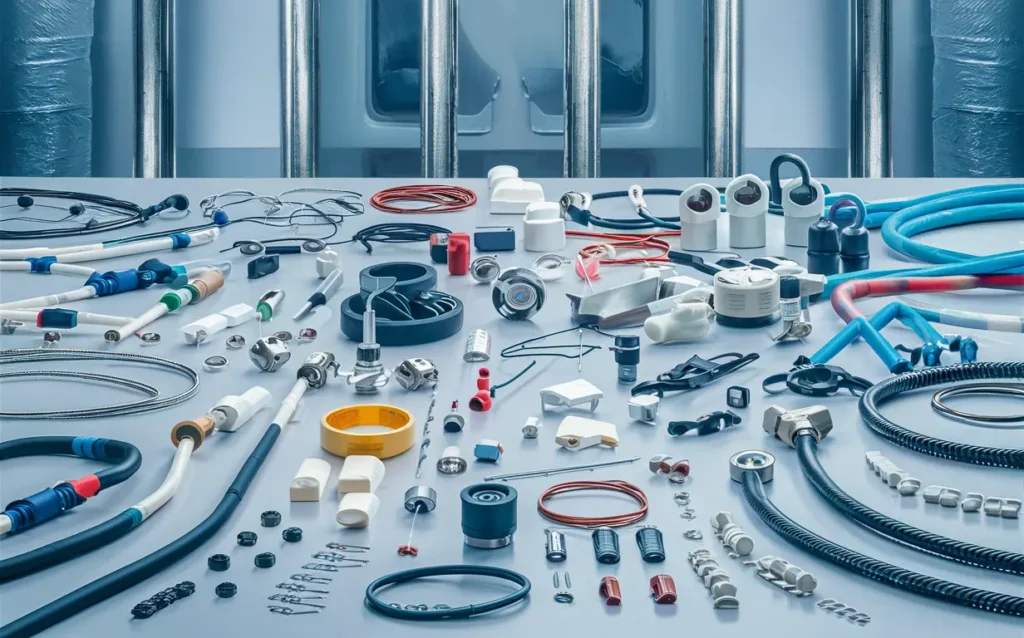
Choosing the right materials for medical equipment is a critical aspect of the design and manufacturing process. Material selection directly affects the device’s performance, safety, durability, and regulatory compliance. In this article, we will explore the importance of selecting the right components for medical devices and discuss key considerations in material selection.
The importance of material selection:
Materials used in medical devices must meet strict requirements to ensure patient safety and regulatory compliance. Factors such as biocompatibility, sterilization compatibility, mechanical properties, chemical resistance, and fabrication feasibility must be carefully evaluated when selecting materials for medical devices.
Biocompatibility:
One of the primary considerations in choosing materials for medical equipment is biocompatibility. Medical devices are in direct contact with the human body, and the materials used must not cause adverse reactions or tissue damage. Biocompatible materials undergo rigorous testing to assess their compatibility with biological systems and ensure they are safe for use in medical devices. Common biocompatible materials include medical grade stainless steel, titanium alloys, silicon, and various polymers.
Compatibility with sterilization:
Medical devices must be sterilized to kill harmful microorganisms and prevent infection. Materials used in medical devices must be compatible with various sterilization methods such as steam, ethylene oxide, gamma rays and chemical disinfectants. Materials that can withstand the sterilization process without compromising their structural integrity or performance are essential to ensure the safety and efficacy of medical devices. For example, materials such as polyethylene and polypropylene are suitable for steam sterilization, while some metals and ceramics are better suited for gamma ray sterilization.
Mechanical features:
Mechanical properties of materials such as strength, stiffness, flexibility and fatigue resistance play an important role in the performance and reliability of medical devices. The selected materials must be able to withstand the mechanical stresses and forces applied during the use of the device without breaking or deforming. Engineers must carefully evaluate the mechanical properties of materials to ensure they meet the specific requirements of each medical device application. For example, orthopedic implants require materials with high strength and fatigue resistance to withstand the repetitive loads experienced in the body.
Chemical resistance:
Medical devices may be exposed to a variety of chemicals, including cleaning agents, disinfectants, and body fluids. Materials used in medical equipment must show high chemical resistance to withstand these materials without destruction or corrosion. The selection of materials with excellent chemical resistance ensures the integrity and long-term performance of medical devices. Materials such as stainless steel, titanium, and certain polymers are known for their chemical resistance and are commonly used in medical device applications.
Construction feasibility:
In addition to performance considerations, material manufacturability is also an essential factor in the selection of materials for medical devices. Materials must be suitable for the manufacturing processes used, such as injection molding, machining, casting or additive manufacturing. Materials that are easy to process, cost-effective, and readily available contribute to the efficient production of high-quality medical devices. For example, thermoplastics such as ABS and polycarbonate are commonly used in injection molding processes due to their ease of processing and versatility.
Conclusion
Choosing the right components for medical equipment is a complex process that requires careful consideration of various factors including biocompatibility, compatibility with sterilization, mechanical properties, chemical resistance, and manufacturing feasibility. By choosing materials that meet these requirements, medical device manufacturers can ensure the safety, efficacy and reliability of their products, ultimately improving patient outcomes and enhancing healthcare delivery. Choosing the right materials is essential to advancing medical technology and addressing the evolving needs of patients and healthcare providers.